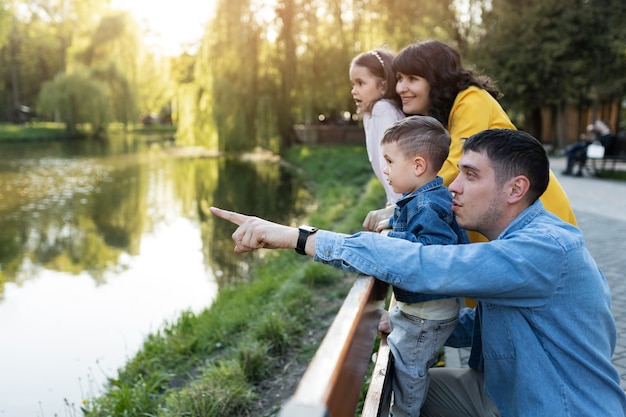


Escape the Ordinary: Where Family Adventures Become Unforgettable Memories
In a world where routines often dictate our days, families yearn for more than just another week of school, work, and chores. The desire for meaningful connections, shared laughter, and moments that linger in memory is universal. Family adventures are the key to breaking free from the ordinary, fostering deeper bonds, and creating stories that will be told for generations.
This isn’t about grand, expensive getaways, though they can be part of the journey. It’s about intentional moments where curiosity replaces boredom, teamwork strengthens relationships, and wonder replaces routine. Whether it’s a weekend hike, a spontaneous road trip, or a DIY project at home, the magic lies in doing life together.
Below, we’ll explore how to craft unforgettable family adventures, where every experience, big or small, becomes a cherished memory.
—
Why Family Adventures Matter
Before diving into how to create these moments, it’s important to understand why they matter.
- Strengthens Relationships
Families who adventure together grow closer. Shared challenges and triumphs build trust and communication skills that last a lifetime.
- A study by the American Psychological Association found that families who engage in joint activities report higher levels of happiness and lower stress.
- Kids who participate in adventures with their parents are more likely to feel secure and valued.
- Breaks the Cycle of Routine
The mundane can feel suffocating. Adventures, even small ones, reset the brain, reducing anxiety and increasing joy.
- A change of scenery, whether it’s a new park or a backyard campout, triggers curiosity and excitement.
- Children (and adults!) often remember experiences more vividly than objects or gifts.
- Encourages Growth & Resilience
Not every adventure will be perfect. Some will be messy, tiring, or even frustrating, but those are the moments that teach adaptability and perseverance.
- Learning to navigate an unfamiliar trail or solve a problem together builds problem-solving skills.
- Overcoming small fears (like trying a new food or climbing a rock) boosts confidence.
- Creates Legacy Memories
The best stories aren’t about material things, they’re about where you’ve been and what you’ve done.
- Grandparents will ask, “Remember that time we got lost in the woods?” instead of “Do you remember your birthday present?”
- Future generations will hear tales of family traditions, like annual camping trips or secret hideouts.
—
How to Plan Unforgettable Family Adventures
Not every adventure needs to be a multi-day expedition. The best ones are thoughtfully designed to fit your family’s lifestyle, budget, and interests. Here’s how to make them happen.
1. Start Small: Micro-Adventures in Your Own Backyard
You don’t need to travel far to create magic. Micro-adventures are low-cost, high-impact ways to spice up daily life.
- Turn Chores into a Game
- Turn cleaning into a scavenger hunt (e.g., “Find something red, something shiny, something soft”).
- Race to see who can pick up the most toys in a minute (with a prize like choosing dinner).
- Why it works: It makes mundane tasks fun and engaging while teaching responsibility.
- Create a Family Fort or Indoor Campout
- Use blankets, pillows, and chairs to build a fort with flashlights and snacks.
- Tell stories, play games, or even have a movie night under the covers.
- Bonus: Let the kids decorate it with fairy lights or drawings.
- Why it works: It’s cozy, imaginative, and budget-friendly.
- Explore Local Nature Trails
- Many cities have hidden parks or nature reserves with easy hikes.
- Bring a magnifying glass, sketchbook, or camera to turn the walk into a mini science adventure.
- Why it works: It connects kids to nature without the pressure of a big trip.
- Host a Themed Night at Home
- Pirate night: Build a treasure map and hide “gold” (chocolate coins) around the house.
- Space night: Make constellations with glow sticks and tell stories about the stars.
- Why it works: It sparks imagination and turns ordinary evenings into special events.
—
2. Embrace the Unexpected: Spontaneous Adventures
Sometimes, the best memories come from saying yes to the unknown.
- The “5-Minute Rule” for Fun
- If your child (or spouse!) suggests an activity, even if it seems silly, give it five minutes.
- Example: “Let’s go to the pet store and see if we can find a hamster!”
- Often, the initial hesitation fades, and you end up with a laughable but memorable moment.
- Why it works: It reduces decision fatigue and opens doors to spontaneous joy.
- Road Trip Detours
- Instead of sticking to the original plan, take a detour if something catches your eye.
- A quirky roadside attraction, a farmer’s market, or a quaint town with a fun ice cream shop.
- Why it works: It turns a chore (driving) into an adventure.
- “No Plans” Day
- Set aside one day a month where the family doesn’t follow a schedule.
- Let the kids pick the activity (zoo, beach, thrift store treasure hunt).
- Why it works: It teaches flexibility and gives everyone a sense of ownership over their day.
—
3. Big Adventures: How to Make Them Worthwhile
While small adventures are magical, larger trips can create some of the most lasting memories. The key is intentionality, not just the destination, but how you experience it.
Choosing the Right Adventure
Not every family thrives on the same type of trip. Consider these options:
- For Active Families:
- Hiking or camping (national parks, state forests, or even backyard camping).
- Biking trails (rent bikes or bring your own for a scenic ride).
- Water sports (kayaking, paddleboarding, or a family swim in a lake).
- For Creative Families:
- Art workshops (pottery classes, painting sessions).
- DIY projects (building a birdhouse, making homemade pizza).
- Theater or improv classes (great for kids who love performing).
- For History & Culture Lovers:
- Museums with interactive exhibits (many have hands-on activities for kids).
- Historical sites (forts, old towns, or living history museums).
- Local festivals or fairs (food, crafts, and live music).
- For Relaxation & Bonding:
- Beach or lake getaways (bonfire nights, sandcastle building).
- Glamping or cabin stays (comfortable but still adventurous).
- Volunteering together (animal shelters, community gardens).
Tips for a Smooth Big Adventure
- Involve the Kids in Planning
- Let them research destinations, pick activities, or even help pack.
- Why it works: They’ll feel more invested and excited.
- Pack Smart
- Bring a small journal for everyone to document the trip.
- Pack snacks, entertainment (books, games), and a first-aid kit.
- Embrace the Mess
- Adventures won’t always go as planned, and that’s okay!
- Laughter often comes from the unexpected (lost items, detours, funny moments).
- Take Photos & Keep a Scrapbook
- Print a few key photos and let the kids decorate a scrapbook with drawings and ticket stubs.
- Why it works: It preserves the experience long after the trip.
—
4. The Secret Ingredient: Mindfulness in Adventure
The best adventures aren’t just about doing, they’re about being present.
- Put Away Distractions
- Phones, tablets, and screens can steal the magic of the moment.
- Try screen-free hours during meals or walks.
- Ask Thoughtful Questions
- Instead of “Did you have fun?” try:
- “What was your favorite part of today?”
- “What would you do differently next time?”
- “What did you learn?”
- Why it works: It encourages reflection and deeper conversation.
- Create a Family Tradition
- Annual camping trip, holiday scavenger hunt, or weekly “family game night”.
- Why it works: Traditions become anticipated events, making ordinary