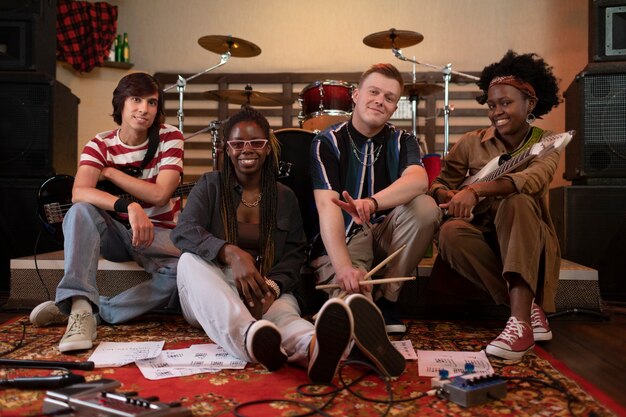


The Magnetic Pull of Pop Icons
Pop icons have always been more than just entertainers—they are cultural beacons that reflect and refract the values, fears, and aspirations of society. From Elvis Presley’s hip-shaking rebellion in the 1950s to Taylor Swift’s genre-defying artistry today, these figures transcend music to become symbols of identity and change. Their influence extends beyond melodies and lyrics; it shapes fashion, language, and even social movements. When a pop icon emerges, they don’t just perform—they create a shared language that fans worldwide adopt, mimicking gestures, catchphrases, and aesthetics. This phenomenon isn’t accidental; it’s a carefully orchestrated dance between authenticity and marketability, where raw talent meets meticulous branding.
The Birth of a Pop Icon
The journey of a pop icon often begins with a unique blend of charisma, timing, and relatability. Consider the rise of Michael Jackson: his moonwalk wasn’t just a dance move; it was a revolution in performance art. Or Lady Gaga’s meat dress, which wasn’t merely shocking attire but a statement on identity and freedom. These moments crystallize the essence of pop icons—they are not just performers but storytellers who use their platform to challenge norms. Behind the scenes, record labels, social media algorithms, and fan communities work in tandem to amplify their reach, turning talent into a cultural force. Yet, the most enduring icons are those who manage to stay ahead of trends while remaining authentically themselves, a delicate balance that few achieve.
Wild Trends: The Ripple Effect of Pop Culture
Pop culture trends are the lifeblood of modern society, acting as both a mirror and a magnifying glass for collective desires. They emerge from the unexpected—whether it’s a viral TikTok dance, a fashion statement from a celebrity’s red carpet appearance, or a meme that spreads like wildfire. These trends are not mere fads; they are social currencies that foster connection and belonging. For instance, the “Stan” culture—where fans obsessively support artists—has redefined celebrity-fan relationships, creating communities that span continents. Similarly, the resurgence of Y2K fashion in the 2020s wasn’t just about nostalgia; it was a rebellion against minimalism, a celebration of boldness and excess.
How Trends Spread Like Wildfire
The rapid dissemination of trends today is a testament to the power of digital connectivity. Social media platforms act as accelerants, compressing the time it takes for an idea to go from niche to mainstream. A tweet, a TikTok video, or an Instagram reel can catapult a trend into the stratosphere overnight. Take the “Sea Shanty” craze of 2021, where simple, catchy folk songs became global phenomena almost instantly, thanks to platforms like TikTok. Or the “Barbiecore” trend, which turned a Mattel doll’s pink aesthetic into a feminist statement and a fashion movement. These trends thrive on participation—the more people engage, the more they evolve, often morphing into something entirely new along the way.
Yet, not all trends are benign. Some can perpetuate harmful stereotypes, commodify cultures, or fuel unhealthy behaviors. The “clean girl” aesthetic, for example, has faced criticism for promoting an unattainable standard of beauty and lifestyle. Similarly, the glorification of toxic relationships in song lyrics or TV shows can normalize unhealthy dynamics. This duality underscores the responsibility that comes with trendsetting—creators, influencers, and audiences must navigate the fine line between inspiration and exploitation.
The Psychology Behind Our Obsessions
Why do we fixate on certain pop icons or trends? The answer lies in the psychology of human connection and identity. Pop icons serve as external validators of our inner selves—they embody traits we admire or aspire to, whether it’s confidence, creativity, or resilience. When we align ourselves with a pop culture figure, we’re not just consuming their art; we’re participating in a form of self-expression. Trends, on the other hand, offer a sense of belonging. They provide a shared language and a way to signal our affiliations, whether it’s through fashion, music, or even slang.
The Role of Social Media
Social media has amplified the intensity of these obsessions, turning casual fandom into a 24/7 commitment. Platforms like Instagram and TikTok allow fans to immerse themselves in the lives of their favorite icons, blurring the lines between public and private personas. This constant access creates a paradox: while it deepens our connection to icons, it also fuels unrealistic expectations and burnout. The pressure to keep up with trends can lead to anxiety, as individuals strive to emulate the curated perfection they see online. Meanwhile, the algorithms that govern these platforms thrive on our obsessions, feeding us more of what we crave until it becomes an inescapable cycle.
The Double-Edged Sword of Pop Culture Influence
Pop culture’s power to shape our obsessions is undeniable, but it’s not without consequences. On one hand, it fosters creativity, community, and self-expression. It gives marginalized voices a platform, challenges societal norms, and drives innovation in art, fashion, and technology. On the other hand, it can perpetuate harmful ideals, commercialize authenticity, and create echo chambers where dissenting opinions are silenced. The key lies in critical consumption—recognizing the difference between trends that empower and those that exploit.
Finding Balance in a Trend-Driven World
So how do we navigate this landscape without losing ourselves in the noise? It starts with mindfulness. Ask yourself why a particular trend or icon resonates with you. Is it because it aligns with your values, or is it simply because it’s everywhere? Surround yourself with content that inspires rather than overwhelms, and don’t be afraid to step away from the constant scroll. Remember that trends are fleeting, but your individuality is not. Pop culture should be a source of joy and connection, not a source of stress or self-doubt.
Ultimately, the relationship between pop icons, wild trends, and our obsessions is a two-way street. We shape culture just as much as it shapes us. By approaching it with awareness and intentionality, we can enjoy the best of what it offers while staying true to ourselves.